Te Whakaputanga StoryTile
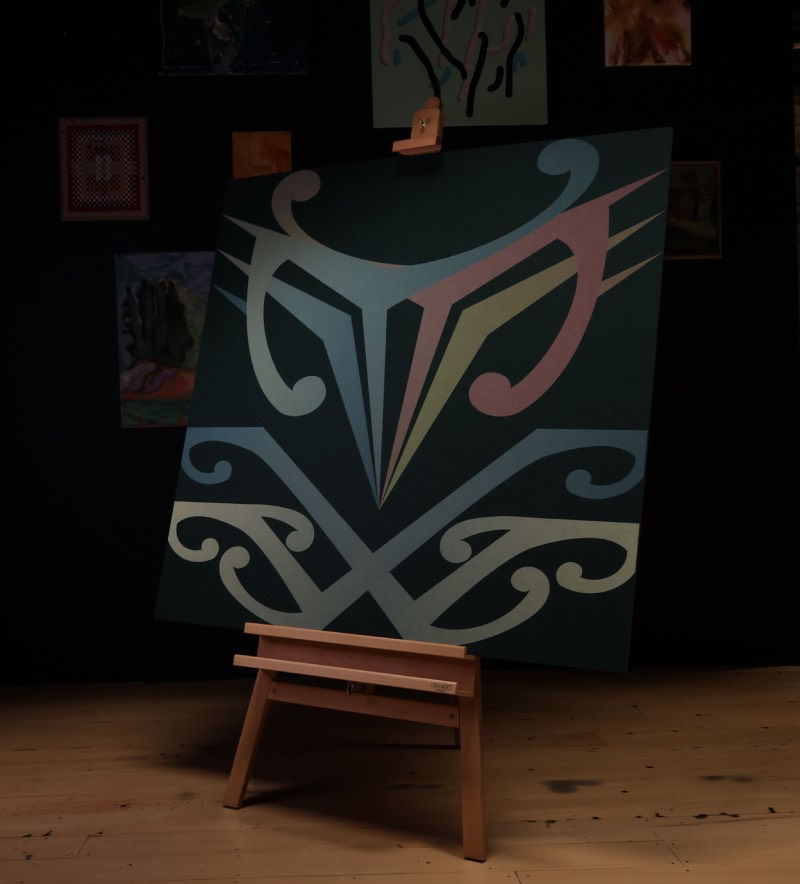
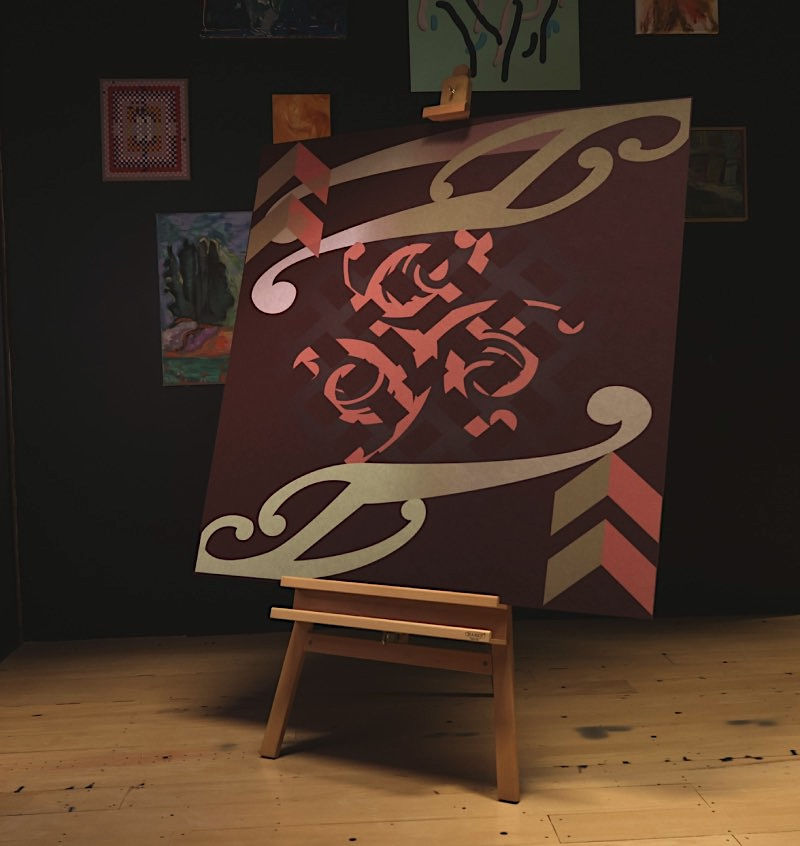
As with all our StoryTiles, the Te Whakaputanga design reveals new meaning as it’s turned upon its four edges, each rotation offering a fresh perspective on the evolving story between He Whakaputanga o te Rangatiratanga o Nu Tireni (1835) and Te Tiriti o Waitangi (1840).
All our StoryTiles can be rotated to reveal not only a new design, but a new story encoded within it. This unique feature allows a single design to hold multiple narratives, offering both variety and depth. Below, you’ll discover how the spinning design works, the stories behind each orientation, and the richness of our colour palette.
Te Whakaputanga
Also known as the Declaration of Independence of the United Tribes of New Zealand, signed in 1835 — it is more than a political document. It is a spiritual and ancestral assertion of sovereignty, unity, and collective self-determination, grounded in whakapapa, wairua, and the ancient laws of the land.
At its heart, Te Whakaputanga is a bold declaration by rangatira, not only of their authority over their own whenua and people, but also of their intent to act together as one, in mutual respect. It emerged at a time when external powers were increasingly seeking to impose their will upon these lands.
The design of this tile follows the shape of a capital I for Independence*.


Te Tiriti o Waitangi
Article 1
Correlating with Article 1 in the English translation of The Treaty of Waitangi, in its truest heart, was not the handing over of power, but an invitation to shared leadership. It was a moment of mutual recognition — where rangatira (recognised leaders) and representatives of the Crown looked to each other not as conqueror and conquered, but as partners, each with their own systems of authority, law, and order.
This design indicates the article 1 by displaying a singular wedge* shape.
Te Tiriti o WaitangiArticle 2
This section correlates with Article 2 of The Treaty of Waitangi. It expressed the ambition to play together, to participate in a relationship of shared stewardship. It reaffirmed the tino rangatiratanga | sovereign position of iwi and hapū — the enduring authority over lands, taonga | cultural treasures, and ways of life.
This design reflects article 2 by displaying a two wedge* shapes side by side.


Te Tiriti o WaitangiArticle 3
The third section was the covenant of protection and unity — a pledge that Māori and British subjects would receive the same rights and privileges, not as a token of assimilation, but as an assurance of safety, dignity, and wellbeing in a changing world. It was a promise of shared humanity — that in times of need, neither partner would be left behind.
This design reflects article 2 by displaying a three wedge* shapes side by side.
Explore the
Collection
Our collection of StoryTiles can be purchased by clicking and ordering any of the following.